
Before You Begin
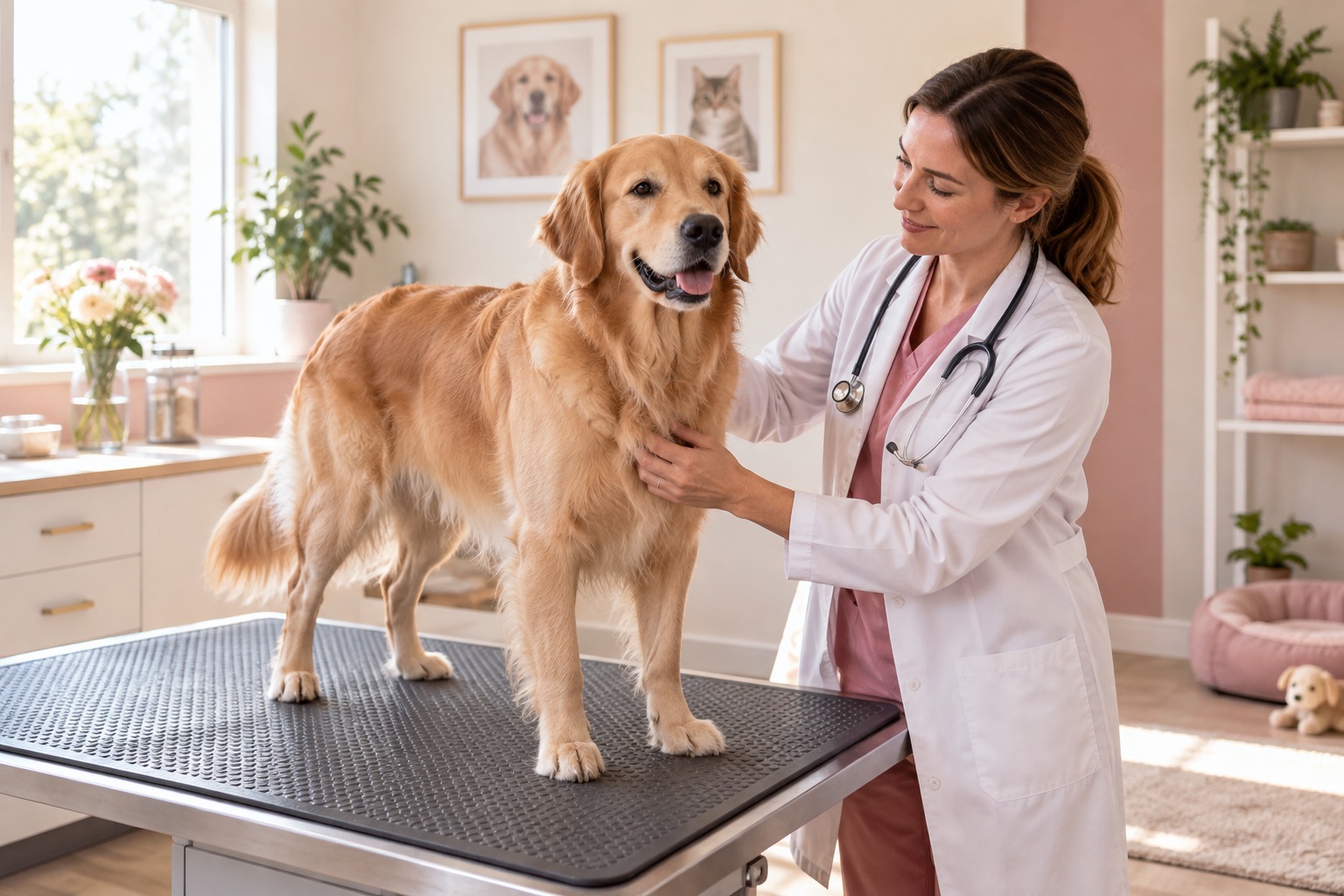
A groomer cares for coat, bathing and nails and helps keep a pet comfortable. They may be the first person to notice a change, but they do not diagnose illness. Sometimes the next useful appointment is with a veterinarian, with coat care continuing afterward. Pay particular attention when your pet suddenly dislikes touch in a place that previously caused no concern.
Signs that call for a pause
An open wound, bleeding, swelling, discharge, clear pain or limping calls for veterinary advice before a haircut or bath. So does a sudden change in skin, smell, shedding, scratching or licking habits. These signs can have different causes, so avoid diagnosing from an online photo. Tell the veterinarian what you observed and when it began.
Why to mention it when booking
Bathing, drying and brushing involve touch, water, warmth and sound. A sensitive area can make an ordinary appointment uncomfortable. Tell the salon about known restrictions, medication and any veterinary directions. If you notice a change only after arriving, ask the team to stop and discuss rescheduling. A responsible team will put the pet's comfort ahead of a planned haircut.
When a groomer can help
Small tangles, loose hair, routine bathing and nail maintenance are grooming matters when there is no pain or unexplained skin change. A groomer can suggest a home tool, show where mats form and help set a visit rhythm. A shampoo, spa service or deshedding session should not be presented as a cure for a skin condition.
Returning to grooming after assessment
If the veterinarian gives instructions about bathing, clipping or handling, share them clearly with the groomer. Choose an appointment length suited to your pet's condition and tolerance. Care may begin with comfortable parts of the coat and progress gradually. The roles are straightforward: health questions begin with the veterinarian; routine coat care follows the agreed guidance.